 by hannah
Grey Squirrel UK Law: The Ultimate Guide
Squirrels are a common sight throughout Milton Keynes and the UK. When they’re outside in the wild, they’re a sweet sight, but if squirrels make their way indoors they can cause significant damage and pose a health risk.
As such, homes and businesses need to ensure they remove squirrels quickly. One key factor when carrying out any wildlife management is the law.
It’s important that you obey the law and safely remove squirrels. As relatively large rodents, squirrels can become agitated when cornered, and this can cause property damage and a risk of harm to the person catching the squirrels.
At BH Pest Control, we’re experts in squirrel control across Milton Keynes and the surrounding area. Our team understands the laws around squirrels, and we’re here to explain them clearly in this guide.
What Squirrel Species Are Found In The UK?
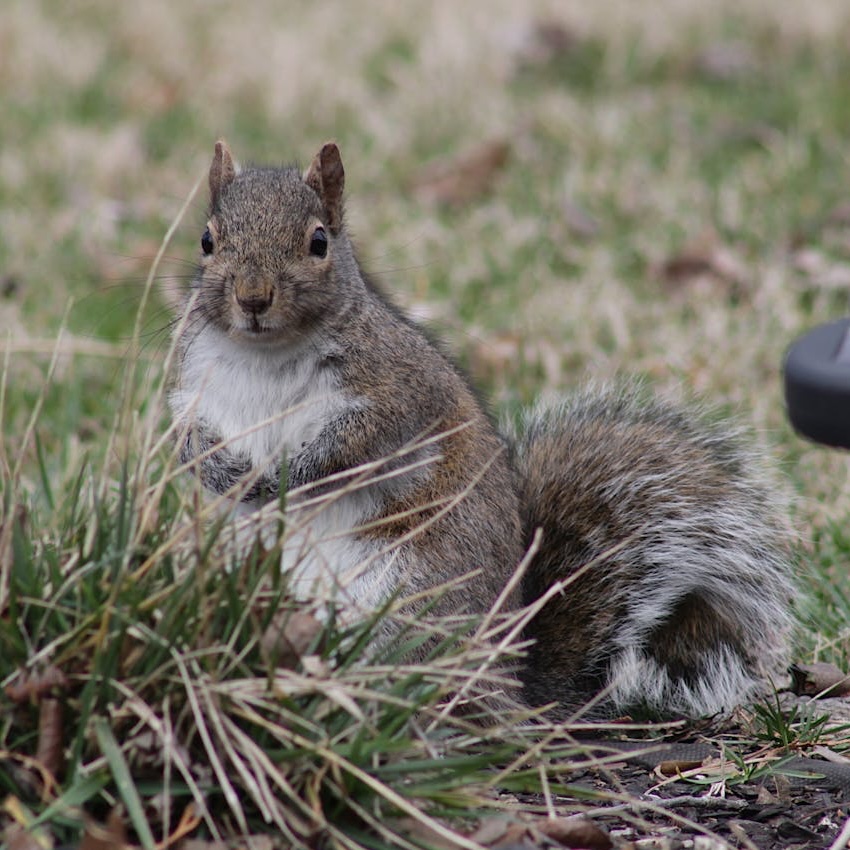
In the UK there are 2 squirrel species found. The largest and most common is the grey squirrel. Grey squirrels are not native, but an invasive alien species that were introduced to the UK in the late 1800s, believed to be around 1876.
Grey squirrels were bought over from North America to populate the grounds of stately homes, and they bred rapidly.
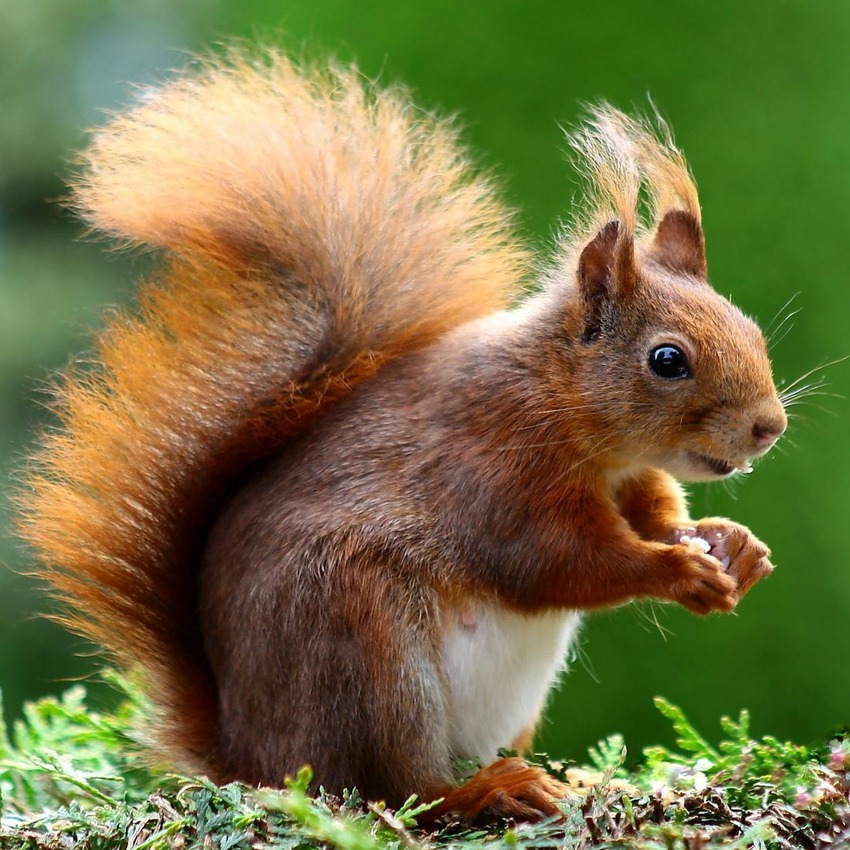
The UK already had native red squirrels, but these are much smaller than grey squirrels, and were often harmed in fights over territory or food. Also, grey squirrels carry squirrel pox virus, which can spread to red squirrels.
As a result, the populations of red squirrels fell significantly, and today, red squirrels are classified as endangered in England, Wales and Northern Ireland, although they are commonly seen in Scotland.
Why Are Red Squirrels Protected And Grey Squirrels Aren’t?
As mentioned, red squirrels are endangered, and are therefore protected under the Wildlife And Countryside Act 1981.
This law makes it illegal to intentionally kill or harm red squirrels, or disturb their nests. However, grey squirrels are not protected by the Wildlife And Countryside Act, because they are an invasive, non-native species.
That means they are treated as vermin, and you cannot release grey squirrels into the wild, and have to kill trapped grey squirrels humanely.
Is It Illegal To Kill Squirrels?
Red squirrels are legally protected, and cannot be killed or captured. Killing grey squirrels is legal and necessary.
However, it is important that you don’t cause them unnecessary suffering. Grey squirrels need to be humanely destroyed, and not injured during capture where possible.
Professional pest controllers like the team at BH Pest Control use humane traps to capture grey squirrels, and we ensure they’re dispatched in a humane manner.
What Are The Issues Caused By Grey Squirrels?
Alongside issues with native red squirrels, grey squirrels can also be a serious problem for the entire UK eco-system.
That’s because grey squirrels can cause significant harm to native wildlife and plants. For example, grey squirrels are stronger than native red squirrels and can strip tree bark right the way to the trunk, which can weaken or even kill the tree.
Grey squirrels also dig up bulbs and small plants, which means they can decimate both crops and wild habitats.
Additionally, grey squirrels cause issues for native birds, as they can steal eggs, damage nests and take food sources meant for birds, such as nuts and seeds from bird feeders. They may also seek shelter inside bird boxes, displacing birds.
Alongside squirrel pox virus, which harms red squirrels, grey squirrels also cause issues for native animals by damaging habitats, competing for food sources and more.
For homeowners, grey squirrels often gain access to properties through the roof, usually by making gaps larger or damaging fascia boards, soffits, or removing roof tiles. Once inside your space, they will tear up loft insulation to build their nests, and spread diseases, as well as parasites such as fleas and ticks.
Is It Illegal To Keep Squirrels In Captivity?
It is illegal to keep either grey or red squirrels in captivity without a license. To obtain a license to keep squirrels in captivity for education or other purposes, you’ll also need to house them correctly. As such, most households can’t keep captured grey squirrels as pets.
Keeping grey squirrels in a non-licensed facility is an offence, but so is trapping them and then allowing them to be escape. If you capture a grey squirrel on your property, you need to take reasonable steps to ensure they are delivered to a rescue centre with the appropriate license or are humanely dispatched by pest control experts.
Can You Release Grey Squirrels?
It is illegal to release grey squirrels back into the wild, as per the Wildlife & Countryside Act 1981 and Destructive Imported Animals Act 1932, as they are an invasive species.
This is particularly referring to grey squirrels imported or bred in captivity, or releasing grey squirrels if you capture them in professional traps.
If you find an injured grey squirrel, you should contact a professional pest control provider or a wildlife rehab expert, who can assist and have the correct equipment and licenses to care for or humanely dispatch injured grey squirrels. Alternatively, a vet or rescue centre might be able to help and advise.
What’s The Best Way To Get Rid Of Squirrels?
As this article shows, squirrels and the UK law can be a complicated topic, which is why, if you’re dealing with a squirrel problem, you need professional grey squirrel control services.
BH Pest Control has extensive experience controlling grey squirrels and can quickly, humanely and legally remove them. Drawing on our knowledge, we can carry out our legal duty to ensure grey squirrels are caught and humanely destroyed without causing issues for non-target species.
Our team also remove rodents including rats and mice, and can carry out rodent proofing to ensure your home and garden is protected from these destructive pests. We use humane but effective methods to bait, trap and dispatch vermin, ensuring the welfare of wild animals plants and birds throughout Milton Keynes.
If you notice grey squirrels on your property, contact us on 01908 412488 or by emailing info@bhpestcontrol.com to get expert squirrel pest control and preventative measures to provide ongoing protection against future grey squirrel issues.